—> NDIS Core service areas
NDIS Core Service Areas
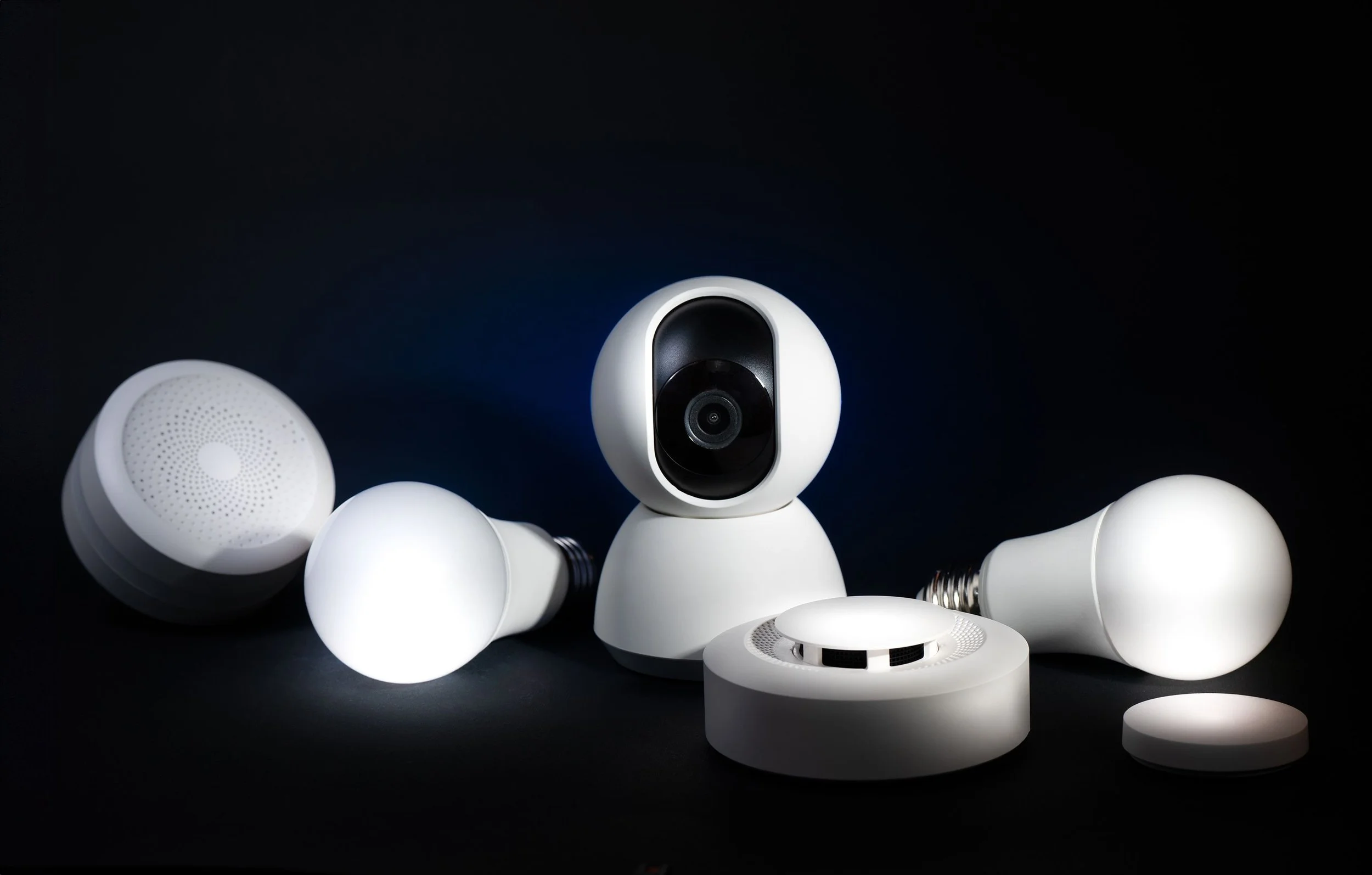
We use Smart Assistive Technology to empower NDIS participants, support families, and streamline care. Below is a guide to how we align our custom smart home solutions with NDIS frameworks to maximise your choice and control.
Capacity Building and Autonomy
—> our focus
giving you more control over your daily routine.
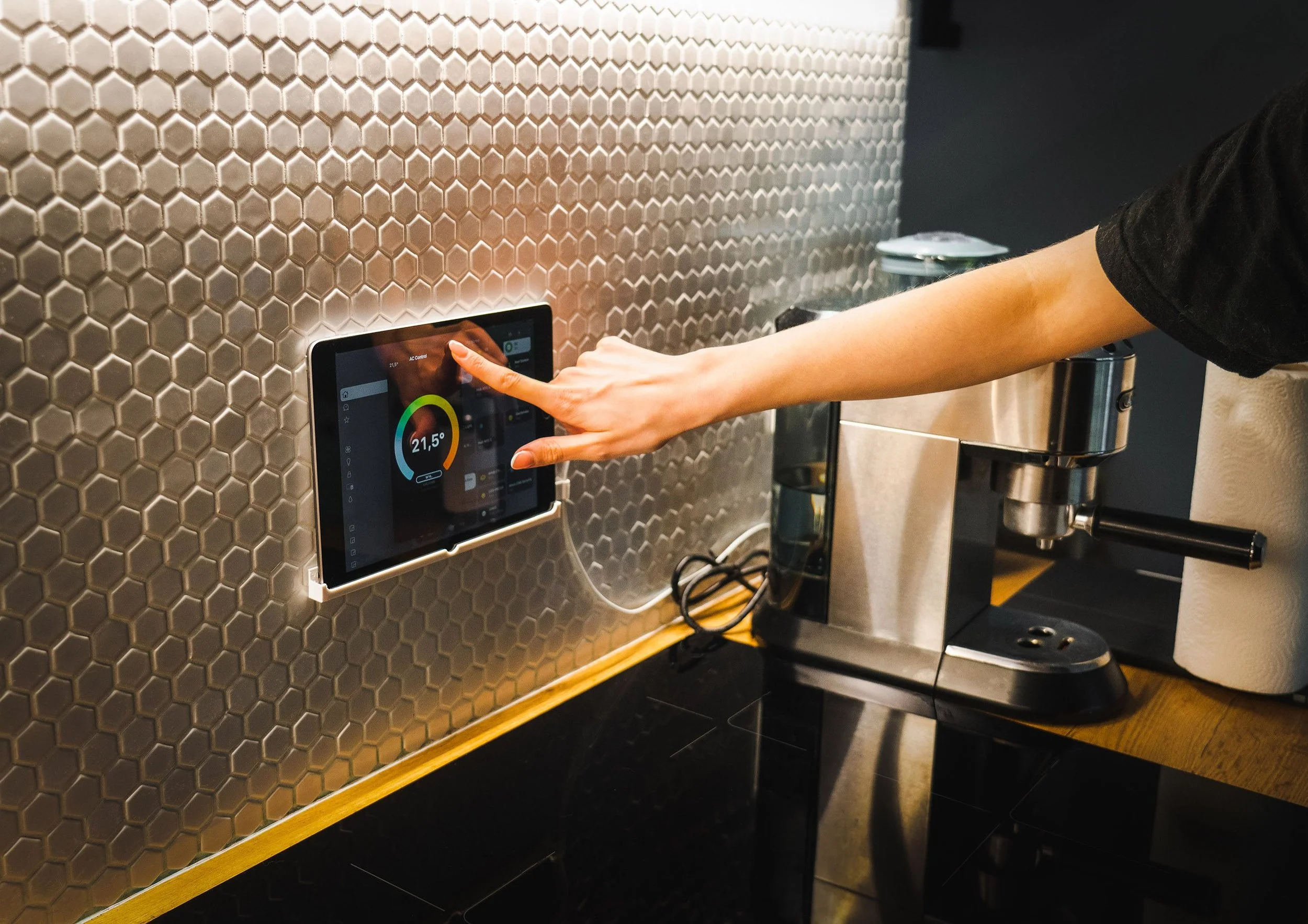
Our smart home solutions are designed to maximise choice and control. By automating lighting, blinds, and entertainment systems, we build capacity for independent living, allowing individuals to manage their environment with minimal physical intervention.
Remote Reassurance and Visibility
—> our focus
connected care, even when you cannot be there in person.
We provide families with remote reassurance through secure, smart ecosystems. Real-time alerts and status updates offer continuous visibility, giving families and nominated representatives total peace of mind while fully respecting the participant's privacy and dignity.
Home Safeguarding and Hazard Mitigation
—> our focus
creating a home environment that actively looks out for you.
We install Smart Assistive Technology that mitigates domestic risks without taking away your freedom. From automated shut-off valves that prevent flooding to smart sensors that detect falls or fires, we enhance home safeguarding so participants can live safely and confidently.
Sustaining Informal Supports
—> our focus
lightening the load for families, loved ones and carers.
Smart automation is a powerful tool for sustaining informal supports. By streamlining daily routines, like automated evening lock-ups or voice-activated intercoms, we alleviate carer strain and help prevent burnout, making long-term care more sustainable.
—> NDIS funding
NDIS Funding
Navigating NDIS funding can feel overwhelming, but utilising your budget for smart home automation is highly achievable. Depending on your goals and the complexity of your setup, our services generally fall under two key NDIS funding categories:
—> Core Support:
Consumables (Low-Cost Assistive Technology)
What it covers: Off-the-shelf smart devices, smart plugs, smart bulbs, or voice assistants valued under $1,500 per item.
How it works: If you have budget allocated for Low-Cost Assistive Technology (AT) or Consumables, you can often purchase these items immediately if they directly assist you in increasing your independence or improving your home safety.
The Benefit: Minimal paperwork and quick implementation to get your smart home up and running faster.
—> Capital Support:
Assistive Technology (Mid-Cost AT)
• What it covers: Custom integrated ecosystems, specialised automated door openers, hardwired smart switches, or full-home setups valued between $1,500 and $15,000.
• How it works: These funds come from your Capital Support budget. Mid-Cost AT setups require a brief assessment or a letter of support from an Occupational Therapist (OT) or another allied health professional. This letter confirms that the technology is a "reasonable and necessary" tool to help you achieve your goals.
• The Benefit: Highly customised, robust solutions tailored perfectly to your unique physical needs and long-term care goals.

—> NDIS funding
Understanding NDIS Terminology
When navigating the NDIS, using the right language helps Support Coordinators, Plan Managers, and Occupational Therapists approve your funding. Here is how our everyday solutions map to official NDIS concepts:
Assistive Technology (AT)
The official NDIS classification for any smart device, sensor, or custom integration we install to assist your daily living.
Capacity Building
Technology that helps you learn to do things yourself, lowering your reliance on physical, face-to-face support.
Minor AT / Low-cost AT
Smart setups and devices under $1,500 that can be purchased quickly out of your budget with minimal paperwork.
Sustaining Informal Supports
The official NDIS term for supporting your family and primary carers, giving them peace of mind and preventing burnout.